
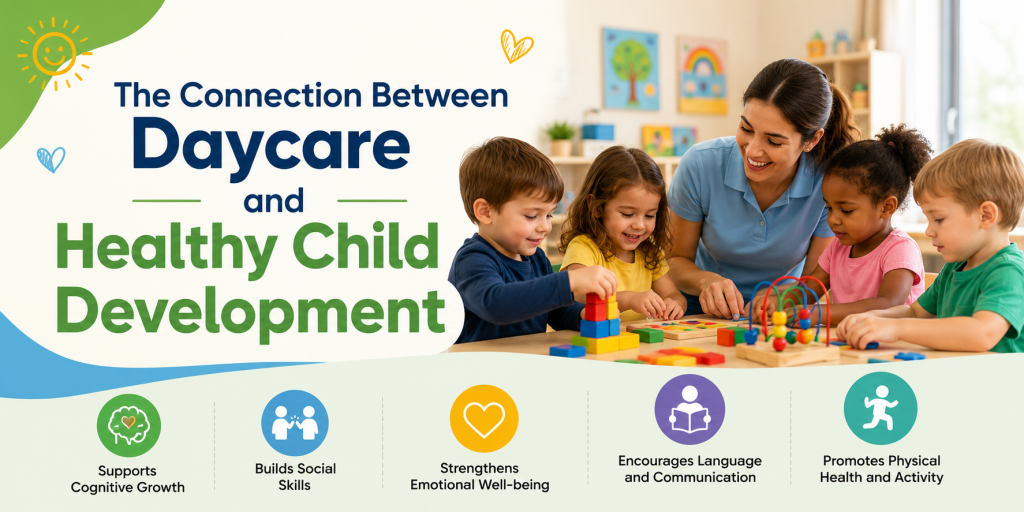
Choosing the right early learning environment plays a significant role in shaping a child’s future. A quality Dural Early Learning Centre provides children with opportunities to learn, explore, and develop essential life skills during their most important developmental years. Through structured activities, social interactions, and nurturing support, children gain the confidence they need to thrive academically, emotionally, and socially.
Building Strong Social Skills
One of the most valuable benefits of daycare is the opportunity for children to interact with peers regularly. At Wiggles and Giggles, children participate in group activities that encourage cooperation, sharing, communication, and teamwork. These daily interactions help young learners understand social expectations and develop meaningful relationships. As children learn how to express themselves and respect others, they build the foundation for positive social development.
Encouraging Emotional Growth
A supportive learning environment helps children understand and manage their emotions. Quality educators guide children through different situations, teaching them how to handle challenges, express feelings appropriately, and build resilience. A trusted daycare kellyville program creates a safe space where children feel valued and understood. This emotional security contributes to greater self-confidence and a positive attitude toward learning.
Supporting Cognitive Development
Early childhood is a critical period for brain development. Daycare programs provide engaging experiences that stimulate curiosity and encourage problem-solving. Activities such as storytelling, puzzles, sensory play, and creative projects help children strengthen memory, concentration, and critical thinking skills. These learning opportunities prepare children for future educational success while fostering a lifelong love of learning.
Developing Communication Skills
Children develop language skills rapidly during their early years. Through conversations, songs, storytelling, and interactive learning experiences, they expand their vocabulary and improve their ability to communicate effectively. Educators play an important role by encouraging children to ask questions, share ideas, and participate in discussions. Strong communication skills contribute to better social interactions and academic achievement later in life.
Preparing for School Readiness
A high-quality Preschool in prestons helps children develop the essential skills needed for a smooth transition to primary school. Structured routines, guided learning experiences, and age-appropriate educational activities help children become familiar with classroom expectations. They learn how to follow instructions, complete tasks independently, and participate confidently in group settings, making the move to school much easier.
Promoting Physical Development
Physical activity is a key component of healthy child development. Children need opportunities to move, explore, and strengthen their growing bodies. Outdoor play, climbing equipment, running games, and movement-based activities help improve coordination, balance, and motor skills. Regular physical activity also supports overall health and encourages children to develop positive habits that can last a lifetime.
Creating Independence and Confidence
Daycare environments encourage children to take on age-appropriate responsibilities and make simple decisions on their own. Whether it involves tidying up after an activity, choosing learning materials, or completing small tasks independently, these experiences build self-confidence and independence. As children achieve small goals, they gain a sense of accomplishment that motivates them to continue learning and growing.
Encouraging Creativity and Imagination
Creative experiences allow children to express themselves freely and explore new ideas. Art projects, music, dramatic play, and imaginative activities encourage children to think creatively and develop problem-solving abilities. These experiences support emotional expression while helping children discover their unique interests and talents. Creativity also contributes to cognitive flexibility and innovation as children grow.
Establishing Healthy Routines
Consistent routines provide children with a sense of security and predictability. Daily schedules that include learning, meals, rest, and play help children understand expectations and manage transitions effectively. A quality prestons Preschool understands the importance of structured routines in creating a stable environment where children can feel comfortable and confident throughout the day.
Enhancing Learning Through Play
Play-based learning is widely recognized as one of the most effective approaches to early childhood education. Through play, children naturally develop cognitive, social, emotional, and physical skills. Activities designed around children’s interests encourage exploration, experimentation, and discovery. Learning becomes enjoyable and meaningful, helping children retain knowledge while developing important life skills.
Building Positive Relationships with Educators
Strong relationships between children and educators contribute significantly to healthy development. Caring educators provide guidance, encouragement, and emotional support that help children feel safe and valued. When children trust the adults around them, they are more willing to explore new experiences, ask questions, and engage in learning opportunities with confidence.
Supporting Problem-Solving Abilities
Everyday experiences in daycare encourage children to think critically and solve problems independently. Whether working through a puzzle, resolving a disagreement with a peer, or completing a challenging activity, children learn valuable problem-solving strategies. These experiences strengthen resilience and help children develop confidence in their ability to overcome obstacles.
Encouraging Cultural Awareness and Inclusion
Early learning environments expose children to diverse perspectives, traditions, and experiences. Through inclusive activities and meaningful discussions, children learn to appreciate differences and respect others. Developing cultural awareness from a young age helps children become empathetic, open-minded individuals who can thrive in diverse communities.
Strengthening Family Partnerships
Successful child development is supported when families and educators work together. Open communication between parents and childcare professionals helps ensure that children’s individual needs are understood and supported. Families gain valuable insights into their child’s progress, while educators receive important information that helps them provide personalized learning experiences.
Fostering Lifelong Learning Habits
Children who enjoy positive early learning experiences often develop a lifelong enthusiasm for education. Engaging activities, supportive relationships, and opportunities for exploration create a strong foundation for future academic success. When children feel excited about learning, they are more likely to approach new challenges with curiosity and confidence throughout their educational journey.
Why Choose Wiggles and Giggles?
At Wiggles and Giggles, we understand the important connection between quality daycare and healthy child development. Our dedicated educators create nurturing learning environments where children feel safe, supported, and inspired to reach their full potential. Through engaging programs, meaningful relationships, and developmentally appropriate activities, we help children build the skills they need for lifelong success.
Conclusion
The relationship between daycare and healthy child development is undeniable. From social and emotional growth to cognitive and physical development, quality early learning experiences shape children’s futures in meaningful ways. By providing nurturing care, stimulating learning opportunities, and supportive relationships, Wiggles and Giggles helps children develop confidence, independence, and a love for learning that will benefit them for years to come.


