
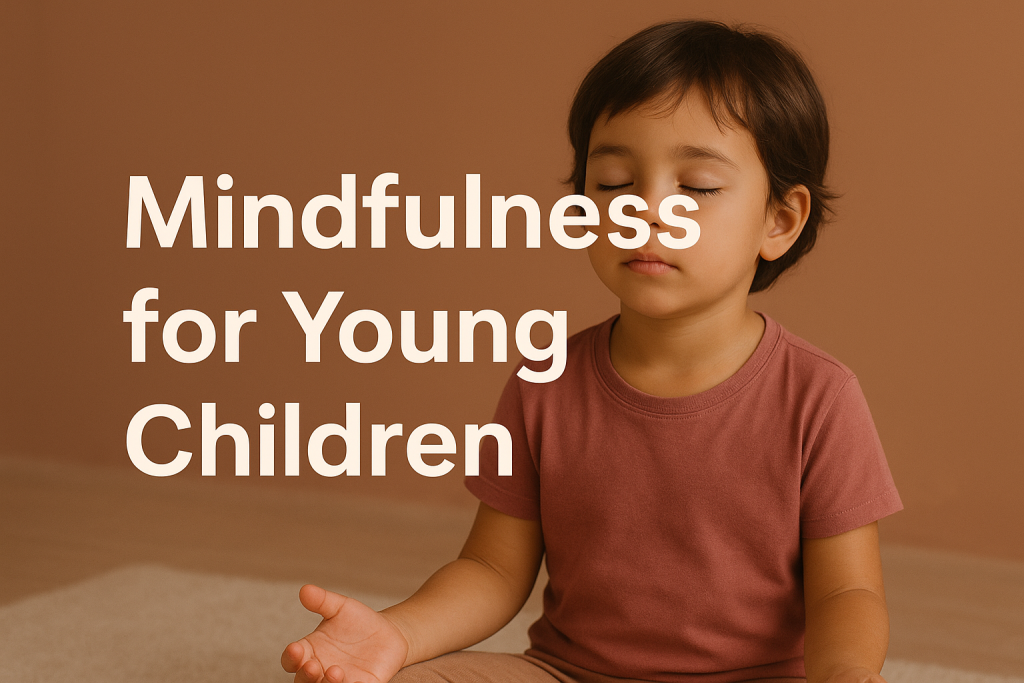
In today’s busy world, young children often navigate days filled with constant stimulation—bright screens, bustling playgrounds, and the hum of busy households. Amid all this activity, it can be challenging for little ones to pause, notice their feelings, or simply breathe. That’s where mindfulness comes in.
At its core, mindfulness is about being present in the moment, recognising thoughts and emotions without judgement, and fostering calm awareness. Introducing mindfulness early in life can help children manage their emotions, improve focus, and nurture empathy. For parents exploring ways to support their child’s holistic development, simple mindfulness practices can be a gentle, effective starting point. This approach is particularly valued in childcare Dural settings, where structured activities and responsive routines create natural opportunities for children to explore mindful habits.
In this blog, we’ll explore what mindfulness looks like for young children, why it matters, practical exercises you can try at home or in day-to-day routines, and the long-term benefits your child can enjoy. Whether your little one attends a Dural childcare centre or enjoys time at home, integrating mindfulness can make a meaningful difference in their early learning journey.
What is Mindfulness for Children?
Mindfulness for children is the practice of helping them notice what’s happening inside and around them, with gentle curiosity rather than pressure or judgement. Unlike adult mindfulness, which often involves extended meditation or reflective journaling, child-friendly mindfulness is playful, short, and engaging. Activities may last just a few minutes and use toys, stories, or movement to capture attention.
For example, at early learning centres, educators might guide children to pay attention to their breathing using a soft toy, or invite them to notice the colours and textures in the playground. Mindfulness isn’t about stillness alone—it’s about teaching children to slow down, observe their emotions, and connect with the present moment. Over time, these small moments can build focus, self-awareness, and emotional resilience.
Integrating mindfulness into daily routines is simple: a quiet circle time before lunch, a few minutes of deep breathing after outdoor play, or a mindful listening exercise during storytime can all nurture children’s growing awareness. By normalising these moments, children learn that taking time to pause and reflect is both safe and valuable.
Why Mindfulness Matters in Early Childhood
Mindfulness offers a wide range of benefits for young children, touching emotional, social, and cognitive development.
- Emotional Regulation: Practising mindfulness helps children recognise and label their feelings, reducing tantrums and anxiety.
- Focus and Attention: Short, mindful exercises can improve concentration during play, group activities, or learning sessions.
- Empathy and Social Skills: By noticing their own emotions, children become more aware of others’ feelings, fostering compassion.
- Calm and Resilience: Mindfulness offers children tools to respond to stress or frustration in healthy ways.
Research shows that even brief, consistent mindfulness activities can have measurable benefits in early childhood. For instance, children in day care Dural centres who engage in guided breathing or mindful movement often display improved attention spans and more cooperative social interactions. Another point to consider is that children naturally pick up on adult modelling—when educators and parents show calm awareness, children are more likely to imitate those behaviours.
By creating opportunities for children to practise mindfulness in everyday routines, parents and educators set the stage for long-term emotional and cognitive wellbeing.
Simple Mindfulness Practices for Young Children
Introducing mindfulness doesn’t need to be complicated. Here are practical, playful techniques suitable for young children, whether at home or in childcare service centres.
1. Breathing Buddies
How it works: Have your child lie down and place a soft toy on their belly. Ask them to watch the toy rise and fall as they breathe in and out.
Why it works: This visual cue helps children connect with their breath, promoting calm and focus.
2. Mindful Listening
How it works: During a quiet moment, ask your child to close their eyes and identify all the sounds they hear—birds, footsteps, wind, or distant chatter.
Why it works: This practice sharpens attention, encourages patience, and teaches children to observe without judgement.
3. Sensory Play
How it works: Encourage children to explore textures, smells, and colours slowly—think sand, water, or clay. Ask them to notice the sensations carefully.
Why it works: Engaging the senses in a deliberate way cultivates awareness and can reduce overstimulation.
4. Mindful Walking
How it works: During outdoor play, guide children to walk slowly, paying attention to each step and the feeling of their feet on the ground. They can notice the grass, stones, or leaves underfoot.
Why it works: Mindful movement connects children with their body and surroundings, blending physical activity with calm focus.
5. Storytelling Moments
How it works: Use calm, descriptive narratives or short guided imagery stories to anchor attention. Pause occasionally to ask children how they feel or what they notice.
Why it works: Stories provide a structured way for children to practise presence, imagination, and emotional reflection.
These activities can be integrated naturally into daily schedules at childcare Dural service centres, supporting children’s growth without overwhelming routines.
Creating a Mindful Environment at Home
Parents can extend mindfulness beyond the classroom with simple, consistent strategies.
- Quiet Corners: Set up a small, cozy space with cushions, soft toys, or calming visuals where children can pause when feeling overwhelmed.
- Family Breathing Time: Dedicate a few minutes each day to practise deep breathing together—morning or bedtime works well.
- Mindful Bedtime Routines: Encourage reflection on the day by asking children what they noticed, felt, or enjoyed most.
Even in the midst of busy days, these small moments reinforce the importance of presence and calm, supporting the skills children develop at Dural childcare settings. For families exploring day care Dural options, these practices complement structured mindfulness activities in the classroom.
Role of Educators in Supporting Mindfulness
Educators play a crucial role in modelling and supporting mindfulness. By demonstrating calm awareness, leading guided exercises, and embedding small mindfulness moments into daily routines, they help children build habits that last a lifetime.
At early learning centres, this might include quiet circle times, mindful transitions between activities, or reflective pauses after energetic play. Educators also respond to children’s emotional cues, teaching strategies to navigate frustration, excitement, or anxiety with patience and understanding. This approach not only nurtures individual wellbeing but creates a calmer, more focused classroom environment.
Long-Term Benefits of Mindfulness for Children
Mindfulness lays the foundation for a range of long-term benefits, both emotional and cognitive. Children who practise mindfulness regularly often demonstrate:
- Resilience: The ability to cope with setbacks and challenges calmly.
- Empathy and Social Skills: Increased awareness of others’ emotions and improved cooperation.
- Self-Awareness: Greater understanding of personal thoughts and feelings.
- Enhanced Learning Outcomes: Better focus, attention, and engagement in structured activities.
Research in early education highlights that children attending Dural childcare centres incorporating mindfulness report improved behavioural outcomes and readiness for school. Another advantage is that these early experiences make children more confident in expressing themselves and managing their emotions.
Conclusion
Mindfulness is a simple yet powerful tool that can support children’s emotional, social, and cognitive growth. By introducing a few small practices—like mindful breathing, sensory play, or storytelling—parents and educators can help children develop skills that last a lifetime.
For families seeking an environment that naturally integrates mindfulness into everyday learning, Wiggles and Giggles is a trusted early learning centre in Dural. Here, children enjoy structured routines, playful activities, and mindful moments that nurture curiosity, focus, and emotional wellbeing. Consider visiting or booking a tour to see how your child can benefit from a mindful start to their early learning journey.


