
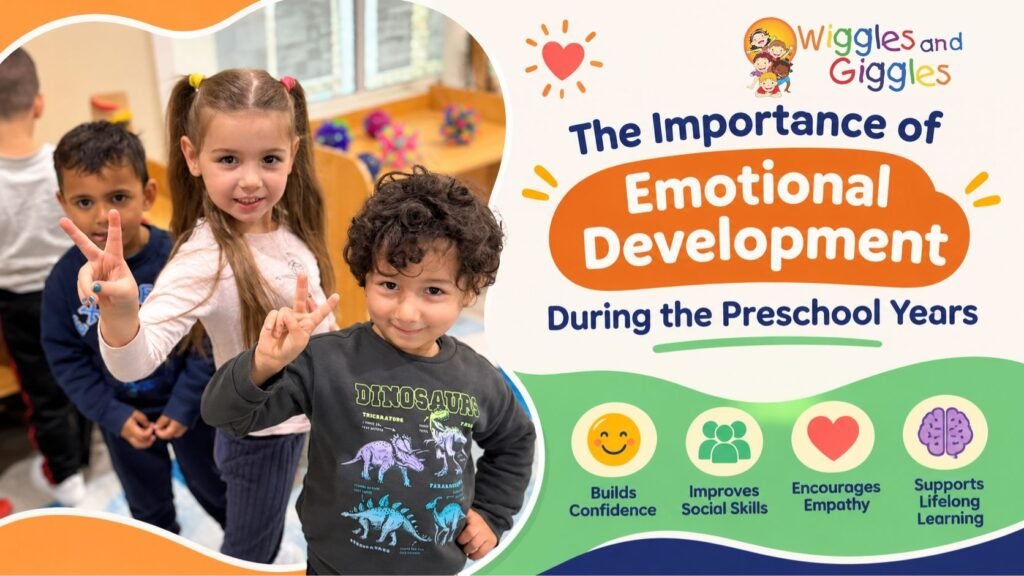
The preschool years are an important stage in a child’s life because they help shape their personality, behaviour, confidence and relationships. Choosing the right kellyville childcare centre can make a meaningful difference in supporting a child’s emotional development. During these early years, children begin to understand their feelings, express their emotions and develop relationships with people around them. A caring and supportive environment helps children feel safe, valued and confident as they explore the world. Emotional development is just as important as physical and intellectual growth because it prepares children for future learning and everyday social experiences.
1. Understanding Emotions from an Early Age
Emotional development begins when children start recognising different feelings such as happiness, sadness, anger, excitement and frustration. Preschoolers may not always have the words to explain what they are feeling, which is why guidance from parents and educators is important.
For example, a child may become upset when sharing a favourite toy or feel nervous when meeting new friends. Educators can help children understand these emotions by talking about their feelings and showing them healthy ways to respond.
Simple activities such as storytelling, emotion cards, role-playing and group discussions can help children identify different emotions. When children learn that every feeling is normal, they gradually become more comfortable expressing themselves.
2. Building Confidence and Independence
Confidence is an important part of emotional development. When children are encouraged to make small decisions, try new activities and complete simple tasks independently, they begin to believe in their abilities.
Preschool activities such as choosing a book, arranging toys, completing puzzles or participating in group games give children opportunities to make decisions. Even when they make mistakes, positive encouragement helps them understand that learning takes time.
Educators can support independence by allowing children to explore activities at their own pace rather than completing everything for them. These small experiences help children develop self-confidence, patience and a positive attitude towards challenges.
3. Developing Social Skills and Healthy Friendships
Preschool provides children with opportunities to interact with others outside their family environment. Through everyday activities, children learn how to communicate, listen, cooperate and respect different opinions.
Playing with other children teaches important social skills such as taking turns, sharing toys, waiting patiently and solving small disagreements. These experiences help children understand that other people also have feelings and needs.
Group activities, music sessions, outdoor games and pretend play encourage children to work together. Educators can guide them through disagreements by encouraging them to use words, listen to each other and find simple solutions.
Developing these skills during the preschool years can help children build healthy friendships and feel more comfortable in different social situations.
4. How Play Supports Emotional Development
Play is one of the most natural ways for young children to express their emotions and understand their surroundings. Through play, children can explore different situations, communicate their ideas and develop problem-solving abilities.
Creative activities such as drawing, painting, building blocks and imaginative games allow children to express feelings that they may not yet know how to explain through words.
The Benefits of messy play are also important for emotional development. Activities involving sand, water, clay, paint and other sensory materials allow children to experiment freely and explore different textures. Messy play encourages creativity, curiosity and independence while giving children opportunities to make their own choices.
For instance, when children build sandcastles or mix colours during painting, they learn to experiment, manage small challenges and enjoy the process rather than focusing only on the final result. These experiences can also help children develop patience and confidence.
5. Helping Children Manage Big Feelings
Young children sometimes experience strong emotions that they find difficult to control. Tantrums, frustration, crying and nervousness are common during the preschool years because emotional regulation is still developing.
Instead of expecting children to control every emotion immediately, adults can teach them simple ways to manage their feelings.
Some helpful strategies include:
- Deep breathing: Encourage children to take slow breaths when they feel upset.
- Talking about feelings: Help children use words to explain what is bothering them.
- Quiet time: Provide a comfortable space where children can relax when they feel overwhelmed.
- Positive encouragement: Appreciate their efforts when they handle difficult situations calmly.
- Reading stories: Use age-appropriate books to discuss different emotions and situations.
A consistent and understanding approach helps children gradually recognise their emotions and develop healthier ways to respond.
6. The Role of a Supportive Childcare Environment
A positive early learning environment plays an important role in helping children feel emotionally secure. Children need caring relationships, predictable routines and opportunities to explore without feeling pressured.
Families looking for north kellyville childcare should consider how an early learning environment supports children’s emotional wellbeing alongside their educational development.
A supportive childcare setting should encourage children to express themselves, build friendships and participate in activities that match their interests and developmental stages. Warm interactions with educators can also help children feel comfortable asking for help when they need it.
Daily routines, welcoming spaces, group experiences and individual attention all contribute to a child’s sense of belonging. When children feel safe and supported, they are more likely to participate in activities, explore new experiences and develop positive relationships.
7. Supporting Emotional Growth at Wiggles and Giggles
At Wiggles and Giggles, creating positive early learning experiences involves recognising that every child develops at their own pace. Emotional wellbeing is an important part of helping children feel confident, comfortable and ready to explore new opportunities.
Through play-based learning, caring interactions and everyday group experiences, children can develop communication skills, independence and meaningful friendships. Activities such as creative play, storytelling, outdoor exploration and collaborative games provide opportunities to recognise feelings and understand the emotions of others.
Encouraging children to ask questions, express their thoughts and try new activities helps build a positive attitude towards learning. Working together with families also supports consistency between home and the early learning environment.
When children receive patience, encouragement and understanding, they gradually develop the emotional skills needed to approach new experiences with confidence.
Conclusion
Emotional development during the preschool years creates a strong foundation for children’s future happiness, relationships and learning. Recognising emotions, building confidence, developing friendships and learning to manage frustration are essential skills that children develop through everyday experiences. Parents and educators can support this journey by providing encouragement, positive relationships and opportunities for meaningful play. With a caring and supportive environment, children can grow into confident individuals who understand their feelings and respect the emotions of others.
Frequently Asked Questions (FAQs)
1. Why is emotional development important during the preschool years?
Emotional development helps children understand their feelings, build confidence, develop friendships and manage challenging situations. These skills support their overall wellbeing and future learning.
2. How can parents support emotional development at home?
Parents can support emotional growth by listening to children, discussing feelings, reading stories, encouraging independence and providing opportunities for creative and imaginative play.
3. What activities help preschoolers develop emotional skills?
Storytelling, role-playing, drawing, group games, sensory activities and pretend play can help children recognise emotions, communicate their feelings and develop social skills.
4. How does messy play support emotional development?
Messy play encourages creativity, independence and self-expression. Activities involving sand, water, paint and clay also help children explore their interests and develop confidence through hands-on experiences.
5. How do educators help children manage their emotions?
Educators provide reassurance, encourage communication, demonstrate calming strategies and create supportive routines. These experiences help children gradually understand and manage their emotions.


