
Have you ever noticed how a toddler can spend ages splashing water, digging in sand or jumping into a muddy puddle? What looks like simple messy fun is actually an exciting opportunity for learning and discovery. Toddlers are naturally curious. They love exploring different textures, experimenting with materials and discovering what happens when they touch, pour, squeeze or mix things together. At Wiggles and Giggles, we understand that meaningful learning often begins with everyday play experiences. Let’s explore why water, sand and mud play are so fascinating for toddlers and how these activities support their development.
Why Are Toddlers So Fascinated by Water, Sand and Mud?
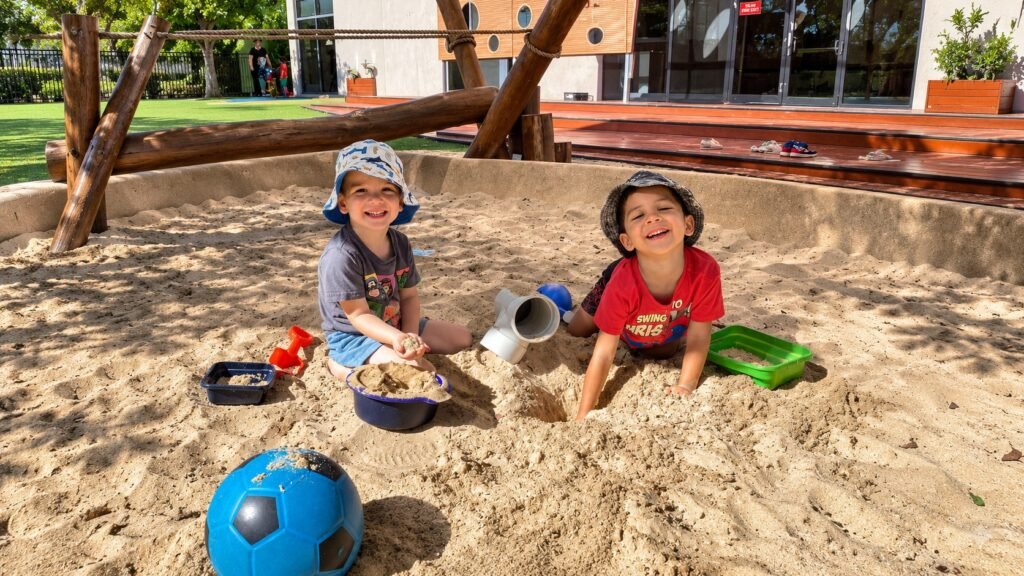
Unlike many toys, natural materials offer endless possibilities.
Water flows, sand changes shape and mud transforms when mixed with water. These changes capture children’s attention and encourage them to explore further.
Through sensory play for toddlers, children use their senses to investigate their surroundings, develop curiosity and discover new ways to interact with the world.
The best part? There is no right or wrong way to explore.
How Water, Sand and Mud Play Support Toddler Development
1. Water Play Encourages Early Learning
Pouring water between containers, squeezing sponges and watching objects float introduce children to simple scientific concepts.
These activities help toddlers develop hand-eye coordination, fine motor skills and an understanding of cause and effect.
2. Sand Play Builds Creativity and Problem-Solving
Building sandcastles, filling buckets and digging tunnels encourage imagination and experimentation.
When a sandcastle collapses, children learn to try different approaches. These small discoveries help build persistence and early problem-solving skills.
3. Mud Play Sparks Imagination and Confidence
A muddy patch can quickly become a pretend kitchen, a construction site or an imaginary adventure.
Mud play encourages creative thinking, independent exploration and opportunities to connect with nature.
Together, these experiences support important areas of early childhood development. Discover more about sensory play ideas that boost development in early childhood.
What Skills Do Children Develop Through Messy Play?
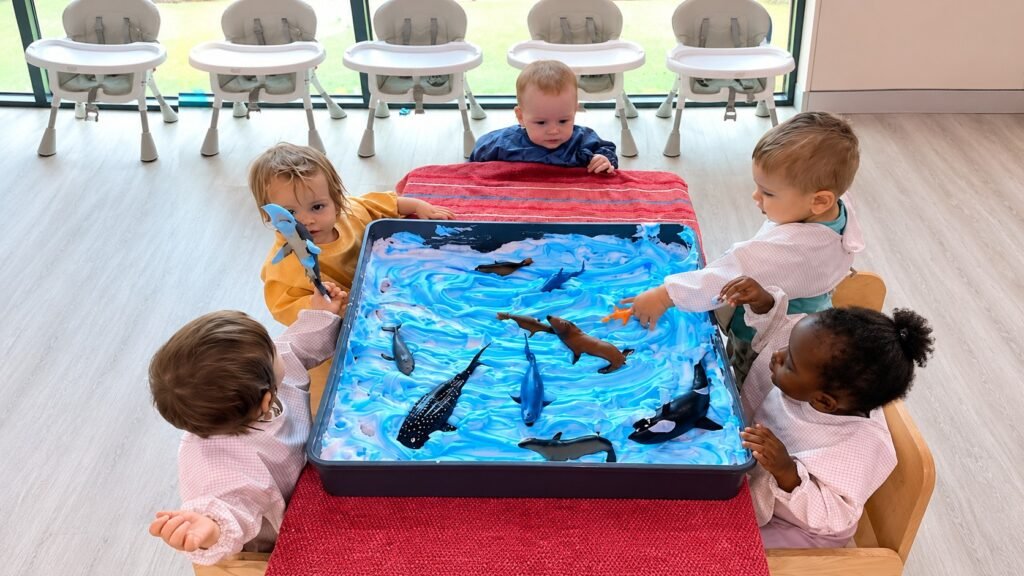
Messy play offers much more than entertainment. It provides opportunities to develop important everyday skills.
- Fine motor skills: Scooping, pouring and squeezing strengthen hand coordination.
- Communication: Children learn words such as wet, dry, smooth, sticky and heavy.
- Early maths: Filling and emptying containers introduces concepts such as full, empty, more and less.
- Social skills: Shared play creates opportunities for cooperation and turn-taking.
- Creativity: Open-ended materials encourage children to explore their own ideas.
These experiences can also support confidence as children make choices and discover what they can achieve independently.
Simple Sensory Play Activities to Try at Home
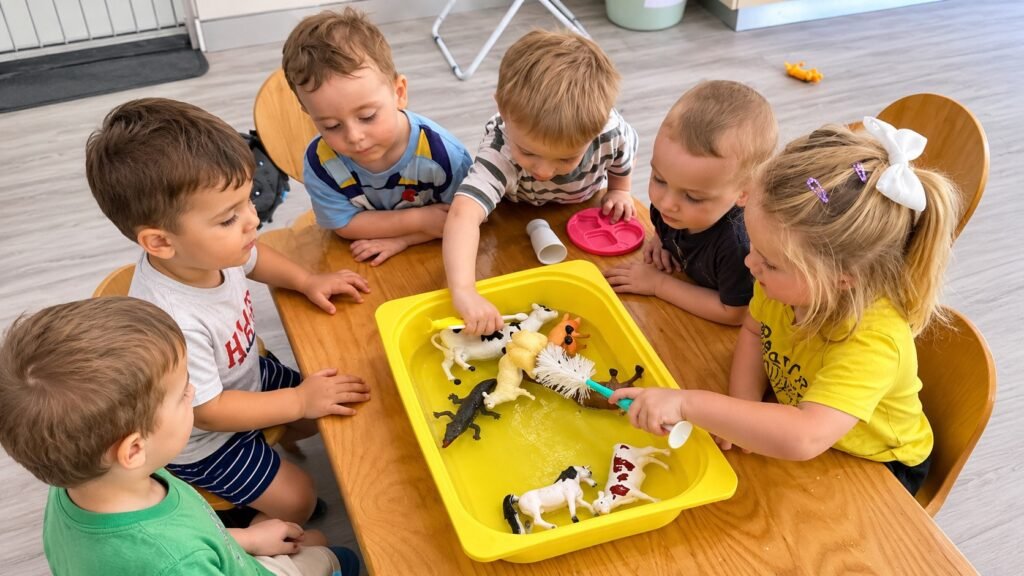
Parents can encourage meaningful learning with just a few everyday materials.
Water pouring station: Provide shallow containers, cups and scoops so toddlers can experiment with transferring water.
Sand treasure hunt: Hide large, age-appropriate objects in clean play sand and encourage children to find them.
Mud kitchen: Offer suitable clean soil, water and old kitchen utensils for imaginative cooking adventures.
Always supervise sensory activities closely, particularly around water. Use safe, clean materials, avoid choking hazards and encourage handwashing afterwards.
Remember, not every child enjoys messy textures. Let toddlers explore at their own pace without pressure.
Learning Through Play at Wiggles and Giggles
At Wiggles and Giggles, we value learning experiences that encourage children’s natural curiosity, creativity and confidence.
Our outdoor learning environment includes natural elements and spaces where children can explore their surroundings and engage in imaginative play.
Through our early childhood curriculum, we support opportunities for children to discover, experiment and develop skills through meaningful learning experiences.
Final Thoughts
The next time your toddler comes home with sandy shoes or muddy hands, remember that those messy moments may be filled with valuable discoveries.
Water, sand and mud provide simple yet meaningful opportunities for children to develop creativity, confidence and important early learning skills.
At Wiggles and Giggles, we believe that childhood should be filled with curiosity, exploration and joyful learning.
Want to learn more about our early learning approach? Contact Wiggles and Giggles to discover our childcare centres.
Frequently Asked Questions
1. Why do toddlers enjoy messy play so much?
Toddlers enjoy exploring materials that respond to their actions. Water, sand and mud provide different textures, movements and possibilities, encouraging curiosity, imagination and experimentation.
2. What are the developmental benefits of water and sand play?
Water and sand play can support sensory awareness, fine motor coordination, communication, early problem-solving and an understanding of basic mathematical and scientific concepts.
3. Is mud play good for toddlers?
Mud play can be a valuable sensory and imaginative experience when suitable materials, hygiene practices and appropriate supervision are provided. It allows toddlers to explore natural textures, experiment and create pretend-play scenarios.
4. How can parents encourage sensory play at home?
Start with simple materials such as clean sand, a small amount of water, age-appropriate containers and scoops. Allow your child to explore at their own pace, ask open-ended questions and supervise activities closely.
5. What should I do if my child doesn’t enjoy sensory play?
Allow your child to participate in ways that feel comfortable. They might prefer using a scoop, watching another child or exploring dry materials first. Gradual, pressure-free experiences can help them discover their own preferences.


