
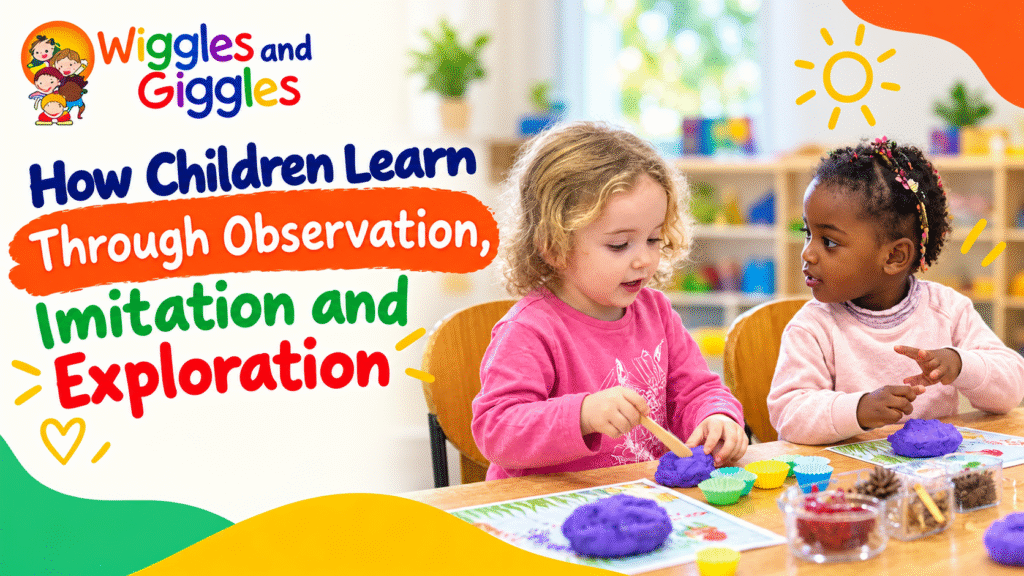
Children are naturally curious learners, and a Preschool in Prestons can provide an environment where that curiosity develops through everyday experiences. Young children do not learn only through direct instruction. They watch what happens around them, copy the actions of people they trust and explore materials, spaces and situations to understand how the world works. These simple experiences help children develop confidence, communication, social awareness and thinking skills.
Learning Begins With Observation
Observation is one of the earliest ways children make sense of their surroundings. Babies and young children constantly watch adults, educators and other children to understand what is happening around them. They notice facial expressions, gestures, sounds, routines and the way people interact with one another.
For example, a child may observe an educator watering plants and become interested in what happens when water is added to soil. Another child may watch a friend build a tower with blocks and begin experimenting with their own structure. Through these moments, children are gathering information without necessarily being aware that they are learning.
Educators can encourage observation by giving children time to watch before expecting them to participate. Asking simple questions such as “What do you notice?” or “What do you think will happen?” can encourage children to pay closer attention and express their ideas.
Imitation Helps Children Build New Skills
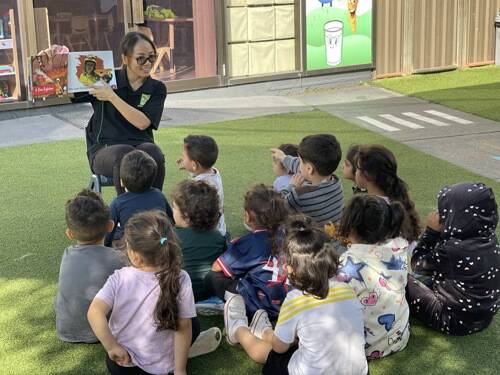
After observing something interesting, children often try to imitate it. Imitation is an important part of early learning because it allows children to practise behaviours and skills they have seen demonstrated.
A toddler might copy an educator pretending to read a book, while another child may imitate a friend who is using a particular technique to complete a puzzle. Children may also copy social behaviours, such as taking turns, helping others or using polite language.
This is why positive role modelling is valuable in early childhood settings. When educators demonstrate patience, kindness, communication and cooperation, children have opportunities to observe these behaviours and practise them naturally.
Imitation does not mean children simply repeat exactly what they see. As their confidence grows, they often modify what they have observed and create their own approaches. This transition from copying to adapting is an important part of becoming an independent learner.
Exploration Turns Curiosity Into Learning
Exploration gives children the freedom to investigate ideas for themselves. Instead of always being told how something works, children can touch, move, combine, build, test and experiment.
A simple activity with containers and water, for example, can lead children to discover concepts such as full and empty, heavy and light, floating and sinking. Building with blocks can encourage children to experiment with balance, size and shape.
Exploration also allows children to learn from trial and error. When something does not work, they can try another approach. This is where problem solving skills for children begin to develop through meaningful experiences rather than worksheets or formal lessons.
Educators can support exploration by providing open-ended resources and asking questions that encourage children to think. Instead of immediately fixing a problem, an educator might ask, “What could we try next?” This gives the child an opportunity to develop their own solution.
How Learning Through Others Supports Social Development
Children are not only observing objects and activities. They are also observing people. Watching how others communicate, cooperate and respond to challenges can influence how children interact with their peers.
Group experiences can provide many opportunities for this type of learning. A child might observe another child asking for a turn and then try using similar language later. They may watch a peer complete a challenging activity and become motivated to attempt it themselves.
These experiences can be particularly valuable in Prestons childcare centres, where children participate in routines, group activities and play experiences alongside others. Educators can create supportive environments where children feel comfortable watching, asking questions and trying new things at their own pace.
The Importance of Giving Children Time to Explore
Children need time to investigate ideas without feeling rushed. When every activity has one expected outcome, there may be fewer opportunities for children to make independent discoveries.
Open-ended play provides a different experience. A collection of blocks can become a house, bridge, road or something completely unexpected. Art materials can encourage children to experiment with textures, shapes and colours without needing to produce a specific picture.
During this process, children learn that there can be multiple ways to approach a challenge. They also learn to make choices, adapt their ideas and persist when something becomes difficult.
Educators can enhance these experiences by observing what interests each child and introducing resources or questions that extend their thinking. This creates learning opportunities that develop naturally from children’s curiosity.
Creating Meaningful Learning Experiences at Wiggles and Giggles
At Wiggles and Giggles, everyday experiences can provide children with opportunities to observe, imitate and explore in meaningful ways. Whether children are participating in creative activities, outdoor play, group experiences or everyday routines, each situation can encourage them to notice what is happening and make connections with their own experiences.
Educators can support children by modelling positive behaviours, encouraging questions and allowing them to experiment with different approaches. Rather than expecting children to get everything right immediately, giving them time to try, adjust and try again can help build confidence as learners.
The combination of observation, imitation and exploration creates a strong foundation for lifelong learning. Children learn not only by listening to adults but also by watching others, experimenting with ideas and discovering what happens when they make their own choices.
Encouraging Learning at Home
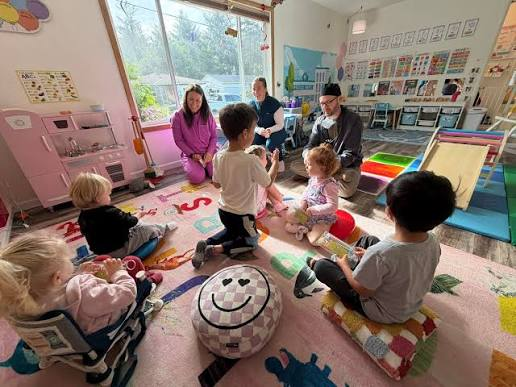
Parents can support these learning behaviours through simple everyday experiences. Cooking together, gardening, building with blocks, visiting a park or reading stories can all create opportunities for observation and exploration.
Instead of providing an answer immediately, parents can ask questions such as “What do you notice?”, “Why do you think that happened?” or “What could we try?” These questions encourage children to think, communicate and investigate.
Most importantly, children benefit when adults show genuine interest in their discoveries. A child’s small experiment or unusual idea may seem simple to an adult, but it can represent an important step in their learning journey.
Conclusion
Observation, imitation and exploration are natural ways children learn about themselves and the world around them. By watching others, practising new behaviours and experimenting with ideas, children gradually develop communication, confidence, independence, creativity and thinking skills.
When children are given supportive relationships, open-ended experiences and enough time to investigate, everyday moments can become valuable learning opportunities. The goal is not simply to provide children with information but to encourage them to become curious, confident and active participants in their own learning.
FAQ
1. Why is observation important for children’s learning?
Observation helps children understand their surroundings by watching people, objects and everyday activities. It allows them to gather information and make connections before trying something themselves.
2. How does imitation support child development?
Imitation gives children an opportunity to practise behaviours and skills they have observed. By copying educators, parents or peers, children can develop communication, social interaction and practical skills.
3. How can exploration improve children’s problem-solving abilities?
Exploration allows children to experiment, make choices and learn through trial and error. When something does not work, they can try different approaches, helping them develop flexible thinking and problem-solving abilities.
4. How can parents encourage observation and exploration at home?
Parents can involve children in everyday activities such as cooking, gardening, reading, building and outdoor play. Asking open-ended questions like “What do you notice?” or “What do you think will happen?” can encourage curiosity and independent thinking.
5. What role do educators play in learning through imitation?
Educators act as positive role models by demonstrating communication, cooperation, patience and problem-solving. Children can observe these behaviours and gradually practise them in their own interactions and activities.


