
Choosing the right childcare service involves more than finding a convenient place for children to spend their day. Parents want an environment where their children can feel secure, build friendships, explore new interests and develop important life skills. As expectations around early education continue to change, families are paying closer attention to safety, learning opportunities, educator support and individual care.
In 2026, the Australian early childhood education and care sector is experiencing important developments in child protection, inclusion, affordability and learning practices. For families looking for childcare in prestons, understanding these developments can help them make informed decisions about their child’s early learning journey.
1. Stronger Child Protection and Safer Learning Environments
Creating a secure environment is one of the most important responsibilities of an early childhood service. Children need caring adults, appropriate supervision and clear safety procedures to feel comfortable exploring their surroundings.
Australia has introduced several child-safety reforms during 2025 and 2026. These include mandatory child protection and child safety training, stronger expectations around digital devices and the introduction of a national workforce register. The National Early Childhood Worker Register began operating nationally on 27 February 2026 to help regulatory authorities monitor who is working in education and care services. Parents can ask a childcare provider how it manages secure entry, supervises children, trains staff and communicates safety concerns. Understanding these procedures can help families assess whether a service takes children’s protection seriously.
2. Inclusive Learning That Respects Every Child
Children bring different abilities, interests, cultural experiences and communication styles to their early learning environments. Inclusive education recognises these differences and gives every child opportunities to participate in meaningful activities.
Educators can support inclusion by adapting learning materials, offering different ways to participate and creating activities that encourage cooperation. For example, a group art activity can include painting, drawing, collage and sensory materials so children can explore their creativity in ways that suit their preferences.
When choosing a daycare in prestons, parents can ask how educators respond to individual developmental needs and help children feel accepted. A welcoming environment encourages children to develop confidence, respect differences and build positive relationships with their peers.
3. Play-Based Learning for Practical Skill Development
Play gives children opportunities to understand new concepts through exploration rather than simply listening to instructions. Through games, creative projects and hands-on experiences, children can develop language, coordination, imagination and early problem-solving abilities.
Play-based learning can include activities such as constructing towers, sorting objects, creating pretend shops, listening to stories and experimenting with different materials. These experiences allow children to make decisions, test ideas and learn from their discoveries.
For example, building a bridge with blocks encourages children to think about balance, size and stability. Playing with other children also gives them opportunities to share resources, communicate their ideas and practise taking turns.
Parents can explore how a childcare service connects everyday play with developmental goals. Activities that reflect children’s interests can make learning enjoyable while supporting important skills for the future.
4. Learning Experiences Based on Individual Interests
Every child develops at their own pace. Some children enjoy social games and group conversations, while others prefer quiet activities, drawing or exploring objects independently. Recognising these preferences allows educators to provide experiences that encourage gradual progress.
Observation is an important part of this process. Educators can notice which activities attract a child’s attention, identify emerging abilities and introduce new challenges when appropriate.
A child who enjoys animals might explore picture books, counting games and creative storytelling around that interest. Another child who enjoys music might practise rhythm, listening and movement through songs.
Parents can ask how learning activities are planned and how educators share observations about development. An individualised approach helps children feel understood while encouraging independence, curiosity and confidence.
5. Better Communication Between Families and Educators
A strong partnership between families and educators can make a child’s early learning experience more consistent. Parents understand their child’s routines, preferences and experiences at home, while educators observe how the child participates in activities and interacts with others.
Regular communication can cover daily routines, meals, learning activities, friendships and developmental progress. It also gives parents an opportunity to share important changes or concerns that may affect their child’s experience.
For instance, if a child develops an interest in gardening at home, educators may introduce planting activities or nature-based discussions at the service. Connecting familiar interests with new experiences can encourage participation and exploration.
When comparing childcare options, parents should consider whether communication is clear, respectful and regular. A collaborative relationship helps families remain involved and gives educators a better understanding of each child’s needs.
6. Outdoor Play and Nature-Based Discovery
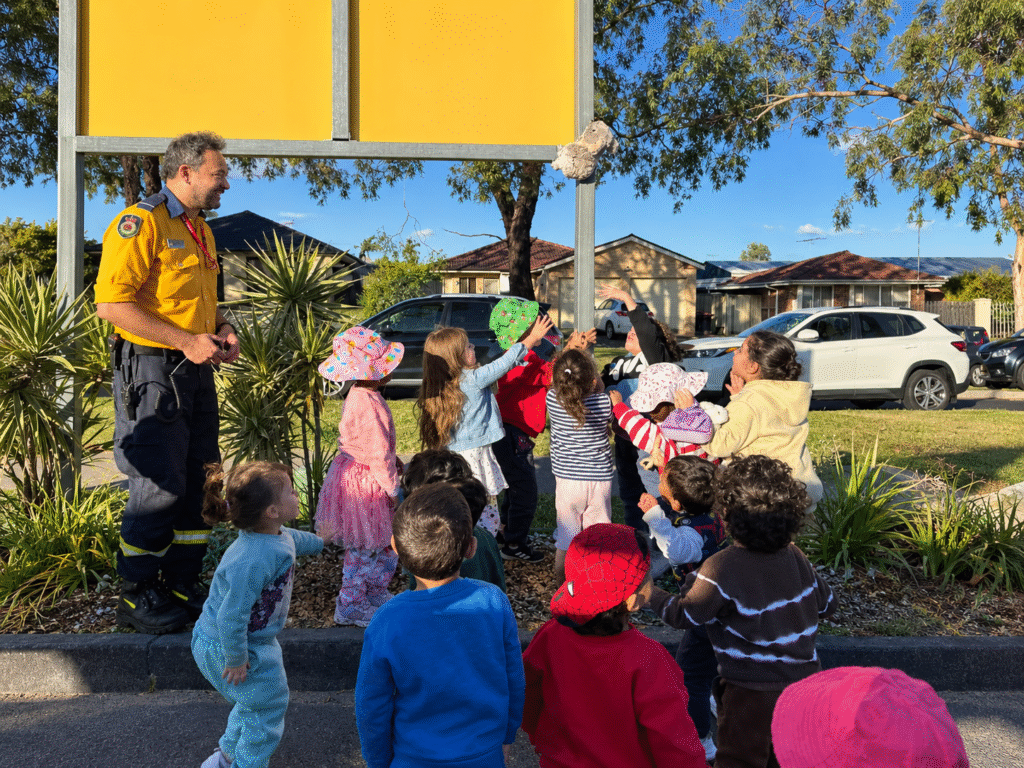
Children benefit from opportunities to move, explore and interact with their surroundings. Outdoor experiences can support physical coordination, curiosity, confidence and an early understanding of the natural environment.
Outdoor play may involve gardening, running, climbing, exploring natural materials or observing changes in the weather. These activities offer children opportunities to experiment, make choices and discover how things work.
Gardening, for example, can introduce children to plant growth, water and the importance of caring for living things. Collecting leaves or comparing natural objects can encourage observation, sorting and descriptive language.
Outdoor activities also provide opportunities for cooperation. Children can build together, participate in movement games and learn to navigate shared spaces. Parents may wish to ask how a centre balances indoor experiences with outdoor exploration and manages supervision during these activities.
7. Understanding Childcare Affordability and Government Support

The cost of early education is an important consideration for many Australian households. Government assistance can help eligible families manage childcare expenses and access regular care.
From 5 January 2026, the Australian Government’s 3 Day Guarantee made at least 72 hours of subsidised childcare per fortnight available to all CCS-eligible families, with some families able to access up to 100 hours depending on their circumstances. The guarantee changed the activity-test requirements for the minimum subsidised hours, but families still need to meet applicable Child Care Subsidy eligibility conditions. <Cite refs={[“turn932597search0”]}/>
Parents should check their individual circumstances, subsidy entitlements and out-of-pocket fees before making a decision. It is also useful to ask childcare providers about daily fees, enrolment requirements and any additional charges that may apply.
Understanding these costs helps families plan their budgets and choose an arrangement that suits their household’s needs.
8. Educator Qualifications and Ongoing Professional Development
Educators influence how children experience their time in childcare. Their knowledge, communication and ability to respond to children’s needs all contribute to a supportive learning environment.
Families are increasingly interested in understanding staff qualifications, relevant checks, training and professional development. Australia’s National Early Childhood Worker Register is one measure designed to improve regulatory oversight of the early childhood workforce. Approved providers are responsible for maintaining the required workforce information.
During a centre visit, parents can observe how educators communicate with children, respond to questions and support group activities. Warm, respectful interactions help children feel comfortable asking for assistance and trying unfamiliar experiences.
Ongoing professional learning also helps educators review their practices and respond to changing expectations in early childhood education. Together, suitable qualifications, effective supervision and positive relationships contribute to children’s everyday experiences.
9. Responsible Technology Use and Children’s Privacy
Digital tools can help childcare services organise information, communicate with families and document children’s learning. However, technology must be managed carefully to protect children’s privacy and wellbeing.
The Australian ECEC sector has introduced stronger requirements concerning the use of digital devices and the handling of children’s images and videos. These reforms include policies for digital technologies and restrictions on personal-device use by staff working directly with children in centre-based services. <Cite refs={[“turn932597search0″,”turn932597search7”]}/>
Parents can ask how photographs are collected, stored and shared, who can access them and how consent is obtained. Clear procedures help families understand how their child’s information is protected.
Technology should remain purposeful and age-appropriate. Reading, movement, imaginative games and face-to-face interaction continue to provide valuable opportunities for children to develop communication and social skills.
10. Everyday Activities That Prepare Children for School
School readiness involves much more than recognising letters and numbers. Children also benefit from developing independence, communication, emotional regulation and the ability to participate in group activities.
Everyday experiences can help children practise these skills. Following a routine encourages responsibility, while group games teach cooperation and turn-taking. Storytelling supports listening and language, and simple problem-solving activities encourage flexible thinking.
Children can also learn to manage small tasks, express their needs and ask for help when necessary. These abilities can make the transition into a school environment more comfortable.
Parents can ask how a childcare service supports school readiness through age-appropriate activities rather than relying only on formal academic exercises. A balanced program provides opportunities to develop social, emotional, physical and cognitive skills through meaningful experiences.
Conclusion
Childcare in 2026 is increasingly focused on creating safe, inclusive and engaging environments where children can develop at their own pace. From practical play and outdoor discovery to stronger family partnerships, responsible technology use and qualified educators, these approaches can help support children’s overall development.
At Wiggles and Giggles, families can explore how everyday learning experiences, positive relationships and supportive care contribute to children’s early years. Parents should consider their child’s interests, ask questions during centre visits and review the service’s approach to safety, learning and communication before making a decision.
Understanding these developments can help families choose an early learning environment that supports their child’s confidence, curiosity and future learning journey.
Frequently Asked Questions
1. What should parents look for when choosing childcare in 2026?
Parents can consider child safety, educator qualifications, inclusive practices, learning activities, outdoor spaces, family communication and how the service responds to individual developmental needs.
2. Why is play-based learning valuable for young children?
Play-based learning allows children to develop communication, creativity, cooperation and problem-solving skills through hands-on experiences that connect with their interests.
3. What is the National Early Childhood Worker Register?
It is a national register that gives Australian regulatory authorities better visibility of who works in approved early childhood education and care services, supporting workforce oversight and child safety.
4. How does outdoor play support early childhood development?
Outdoor play provides opportunities to develop coordination, physical confidence, curiosity, social skills and an understanding of the natural environment.
5. What is the 3 Day Guarantee in Australian childcare?
From 5 January 2026, eligible families can access at least 72 hours of subsidised childcare per fortnight, with some families eligible for more depending on their circumstances and applicable rules.


