
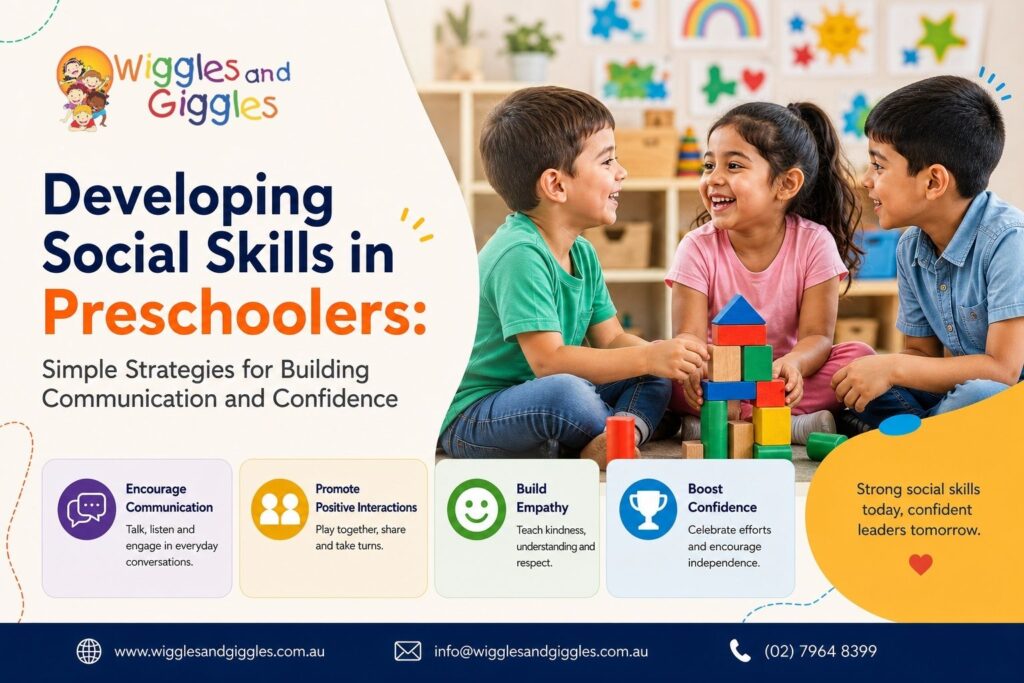
Early childhood is an important time for children to learn how to communicate, cooperate and build positive relationships with others. A quality prestons Early Learning centre can provide children with everyday opportunities to interact with educators and peers in a safe and supportive environment. Through play, group activities and meaningful conversations, preschoolers gradually learn how to express their feelings, listen to others and feel comfortable in social situations.
Why Social Development Matters in the Early Years
Social development plays an important role in a child’s overall growth. Preschoolers are still learning how to understand emotions, respond to different situations and build friendships. They may sometimes find it difficult to share toys, wait for their turn or communicate what they want.
These experiences are a normal part of early childhood. With patient guidance and positive encouragement, children can develop the confidence they need to interact with others. Educators can model respectful communication and help children understand how their actions can affect their friends.
Encourage Communication Through Everyday Conversations
One of the simplest ways to support social development is by encouraging children to communicate regularly. Parents and educators can ask open-ended questions such as, “What did you enjoy today?” or “How did that make you feel?”
Giving children enough time to answer is also important. When adults listen carefully and show interest in what children say, preschoolers learn that their thoughts and feelings are valued.
Storytelling and picture books can also encourage communication. Talking about characters, emotions and different situations helps children learn new words while developing their ability to understand other people’s perspectives.
Build Social Skills Through Play
Play provides children with a natural way to practise social behaviour. During pretend play, children may take on different roles, negotiate ideas and create stories together. These experiences encourage communication, cooperation and problem-solving.
Simple group games can also teach children important social habits. Taking turns, following rules and celebrating others’ achievements help children understand how to participate positively in a group.
It is important to recognise that Social Skills in Preschoolers develop gradually through repeated everyday experiences. Children do not all progress at the same pace, so educators should provide encouragement without placing unnecessary pressure on them.
Teach Children About Sharing and Taking Turns
Sharing can be challenging for young children because they are still developing an understanding of other people’s needs. Instead of simply telling a child to share, adults can explain why taking turns is helpful.
For example, during a group activity, educators can encourage children to wait while another child has a turn. Using simple language such as “Your friend is using it now, and you can have a turn next” helps children understand the idea of patience and fairness.
Games involving blocks, puzzles, art materials and outdoor equipment can provide regular opportunities to practise these behaviours.
Help Children Understand and Express Emotions
Understanding emotions is another important part of social development. Preschoolers may experience strong feelings but may not always know how to describe them.
Educators can introduce words such as happy, worried, frustrated, excited and disappointed. When children can identify their emotions, they are more likely to communicate their needs rather than reacting through difficult behaviour.
Parents can support this learning at home by talking about emotions during everyday situations. Asking, “How do you think your friend felt?” can also encourage children to consider another person’s feelings.
Create Opportunities for Group Activities
Group activities give children valuable opportunities to interact with peers. Music sessions, art experiences, outdoor games and collaborative projects can encourage children to communicate and work together.
A supportive Daycare prestons environment can make these experiences part of a child’s regular routine. Consistent opportunities to participate in small and large groups allow children to become more comfortable speaking, listening and cooperating with others.
Educators can also observe children’s interactions and provide gentle guidance when conflicts occur. Rather than immediately solving every disagreement, adults can encourage children to suggest solutions and practise using respectful words.
Encourage Independence and Confidence
Social confidence is closely connected to independence. Giving preschoolers small responsibilities can help them feel capable and valued. Children might help pack away toys, choose an activity or assist with simple classroom routines.
When children are trusted with age-appropriate responsibilities, they learn to make decisions and communicate their ideas. Positive feedback can further strengthen their confidence.
It is also important to avoid comparing children with one another. Some children may naturally enjoy group conversations, while others may need more time before they feel comfortable joining in. A nurturing approach allows every child to develop at their own pace.
How Educators and Families Can Work Together
Supporting social development works best when families and educators communicate regularly. Sharing observations about a child’s interests, friendships and challenges can help adults provide consistent guidance.
Families can continue practising the same skills at home through play, conversations and simple household activities. Educators can then reinforce these skills within the early learning environment.
At Wiggles and Giggles, children can be supported through play-based experiences that encourage communication, cooperation and confidence. By creating positive opportunities for children to interact, explore and learn together, early childhood experiences can help establish important foundations for future relationships and learning.
Building Skills for the Future
Social skills are not developed overnight. They grow through everyday interactions, patient guidance and opportunities to practise. When preschoolers are encouraged to communicate, share, listen, cooperate and understand emotions, they gradually become more confident in their relationships with others.
For Australian families, choosing an early learning environment that values children’s social and emotional development can make a meaningful difference. With supportive educators, engaging play experiences and strong family partnerships, children can develop the communication and confidence they need to participate positively in their communities.
Frequently Asked Questions
1. What are social skills in preschoolers?
Social skills in preschoolers include communication, sharing, taking turns, listening, cooperating, expressing emotions and developing positive relationships with others.
2. How can parents support social development at home?
Parents can support social development through everyday conversations, pretend play, board games, storytelling and activities that encourage sharing, cooperation and taking turns.
3. Why is play important for developing social skills?
Play gives children opportunities to communicate, negotiate, solve problems and cooperate with others. Group and pretend play can help children practise these skills naturally.
4. How do educators help children develop social confidence?
Educators can model respectful communication, encourage group participation, support children during disagreements and provide age-appropriate opportunities for children to make choices and interact with peers.
5. Do all preschoolers develop social skills at the same pace?
No. Every child develops social and communication skills at their own pace. Consistent encouragement, positive interactions and a supportive environment can help children gradually build confidence.


